





Binance Trading Explained for Everyday Users
Binance is one of the largest and most popular cryptocurrency exchanges in the world, offering a platform where users can buy, sell, and trade a wide variety of digital assets. For everyday users who may be new to cryptocurrency trading, understanding how Binance works can seem daunting at first. However, with a basic grasp of its features and functions, anyone can start trading confidently.
To begin with, Binance operates as an online marketplace for cryptocurrencies such as Bitcoin (BTC), Ethereum (ETH), and many others. Users create an account by registering on the platform with their email address or phone number. After completing identity verification for security purposes-a process known as KYC (Know Your Customer)-users can deposit funds into their Binance wallet either through bank transfers, credit cards, or by transferring cryptocurrencies from another wallet.
Once funds are deposited, users have access to various trading options. The simplest way to trade on Binance is through its “Convert” feature which allows instant swapping between different cryptocurrencies without dealing with complex order types. This is ideal for beginners who want quick transactions without much hassle.
For those interested in more active trading strategies, Binance offers a spot market where buyers and sellers place orders at specific prices. Here you will encounter terms like “limit orders,” “market orders,” and “stop-limit orders.” A market order executes immediately at the current price; a limit order sets a specific price point at which you want to buy or sell; while stop-limit orders help manage risks by triggering trades once certain conditions are met.
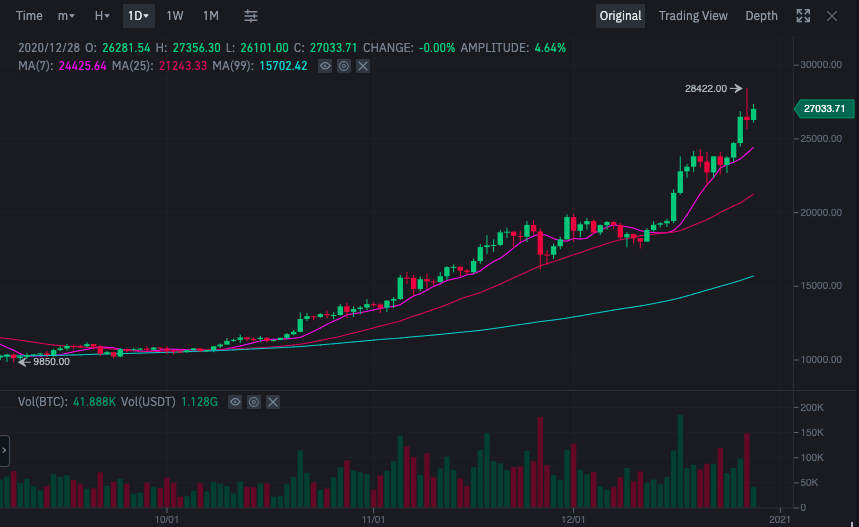
Binance also provides advanced charting tools powered by TradingView that allow traders to analyze price movements using technical indicators such as moving averages or RSI (Relative Strength Index). These tools are valuable for making informed decisions based on market trends rather than guesswork.
Security is paramount on any exchange dealing with digital assets. Binance employs multiple layers of protection including two-factor authentication (2FA), withdrawal whitelist controls, and cold storage solutions that keep most user funds offline away from hackers.
Additionally, Binance has expanded beyond simple spot trading into futures contracts and margin trading for more experienced traders seeking higher leverage opportunities-though these come with increased risk and should be approached cautiously by everyday users.
In summary, Binance caters well to both newcomers and seasoned traders alike by providing easy-to-use interfaces alongside powerful tools when needed. Everyday users looking to enter the world of cryptocurrency will find that starting with basic platform mechanics buying/selling features before gradually exploring more sophisticated options helps build confidence while managing risk effectively on this dynamic platform.